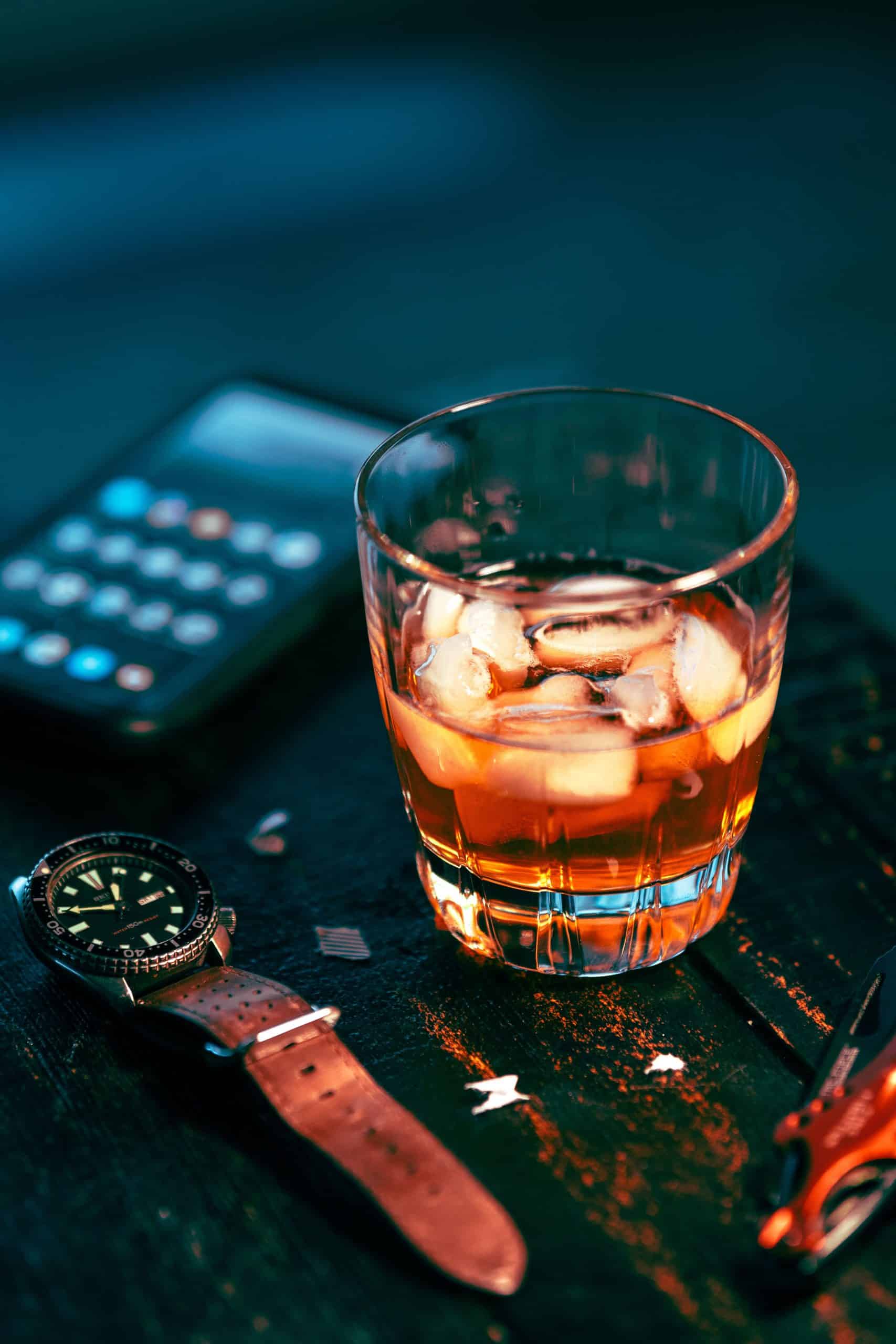
10 pints on Friday night to relax is normal.
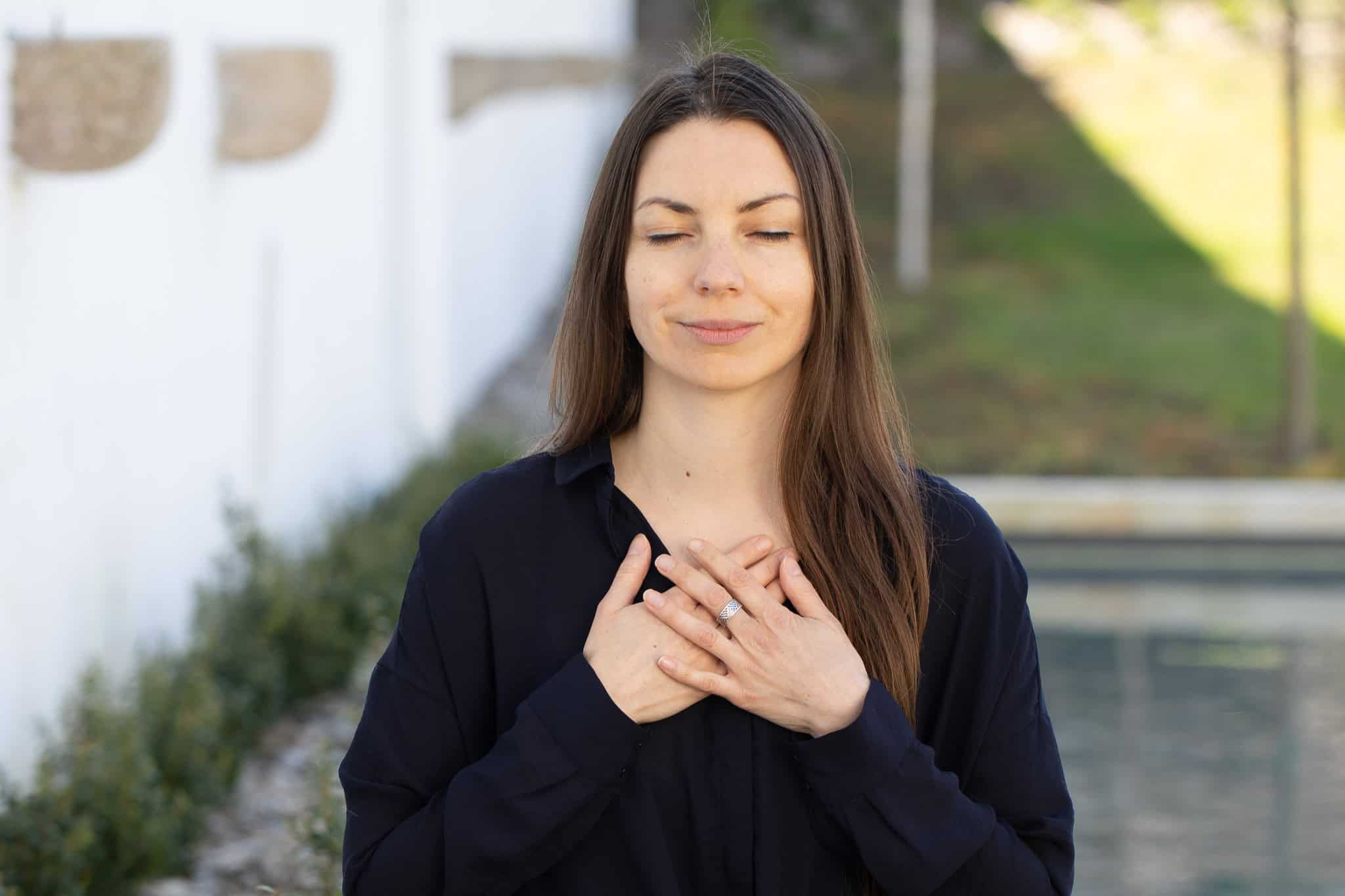
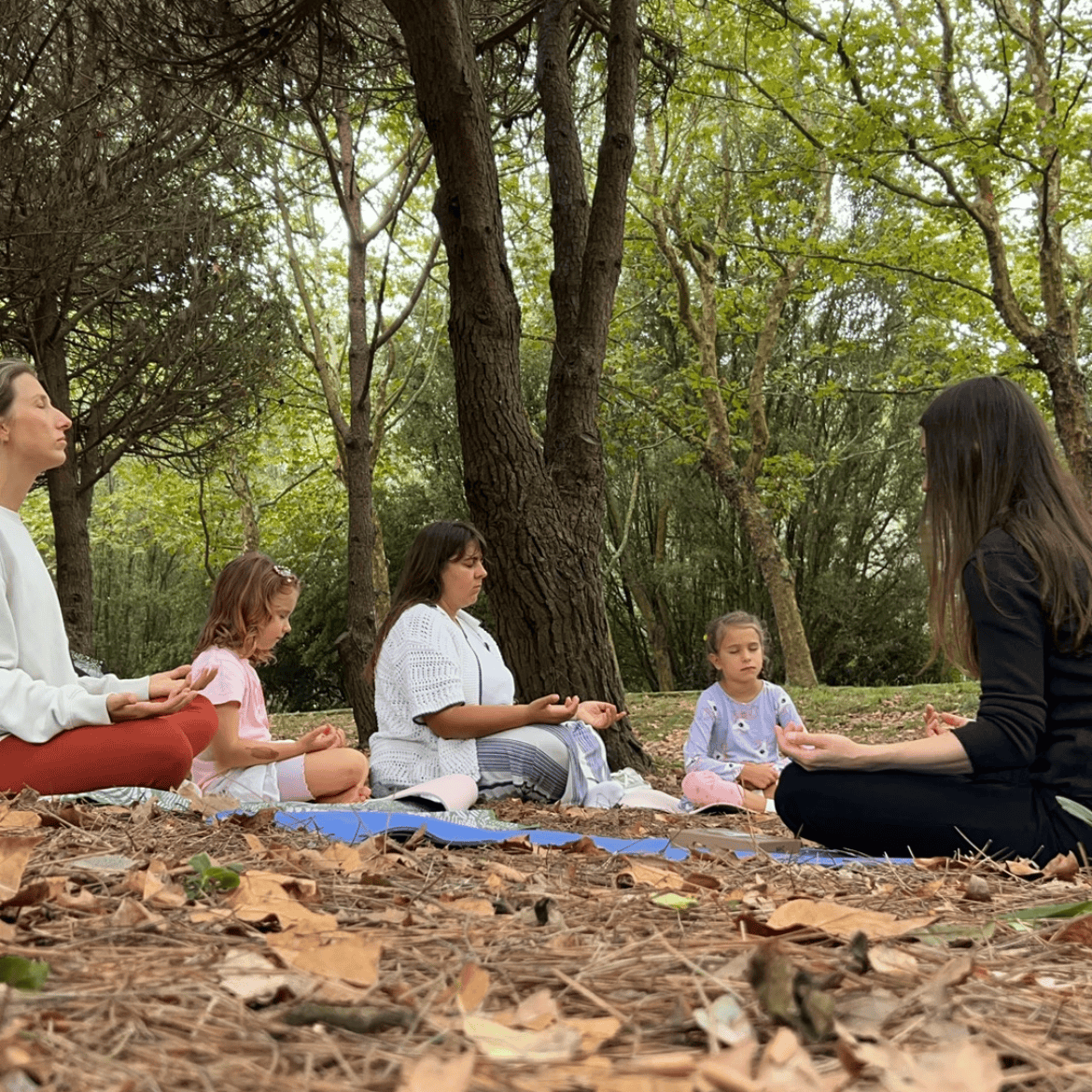
10 minutes of meditation is still considered weird.
No judgment. I used to drink too.
A long day at work? A glass of wine.
Dinner with friends? A glass of wine.
Celebrating something? Champagne.
And if you’ve ever lived in Portugal or Spain, you know how completely normal a glass of wine with lunch can feel. 😄
For a long time, I never questioned any of this.
Alcohol and relaxation simply belonged together in my mind. Untile I stopped drinking this year.
And it has been one of the best decisions I’ve made.
Not because I suddenly think everyone needs to quit drinking.
But because removing alcohol made me notice something I couldn’t see while it was still part of my routine:
I had confused switching off with actually recovering.
When did alcohol become synonymous with relaxation?
Think about the language we use.
“I need a drink.”
“What a week. Let’s get a pint.”
“I just need something to switch my brain off.”
We rarely stop to ask what happens after that switch.
Because yes, alcohol can make you feel relaxed or sleepy in the moment.
But feeling switched off and being restored are not necessarily the same physiological experience.
Research on alcohol and sleep makes this particularly interesting.
A 2024 systematic review and meta-analysis of 27 studies found that alcohol altered normal sleep architecture, delaying REM sleep and reducing the amount of REM sleep people got. Importantly, REM disruption was observed even at relatively low doses and became greater as alcohol intake increased.
So you may fall asleep feeling like you have successfully “switched off”.
Your brain may tell a slightly different story during the night.
And that made me wonder:
If I need to recover from my relaxation, was I actually recovering?
Meditation does almost the opposite
Meditation doesn't give you a dramatic OFF button.
And perhaps that's why, at first, it feels less impressive than a glass of wine.
You sit down. You breathe. You notice that your brain apparently has 46 browser tabs open.
And instead of chemically changing how you feel, you begin practising something much less dramatic but potentially much more useful:
the ability to change your relationship with your own state.
You notice tension. You notice thoughts racing. You notice the urge to escape the discomfort.
And gradually, you learn that you don't necessarily need something external every time you want to come down from stress.
That skill matters far beyond the meditation cushion.
Research on workplace meditation and mindfulness has found benefits for perceived stress, job stress, wellbeing and sleep. A 2026 systematic review and meta-analysis included 132 randomised controlled trials and more than 23,000 employees.
That doesn't mean ten minutes of meditation magically fixes your life.
It means there is now substantial research suggesting that meditation can be a useful tool for something many of us desperately need:
recovery.
And yes — there is even an interesting ageing conversation
This is one of the areas I find most fascinating.
Stress, inflammation and ageing are connected in complicated ways, and researchers have begun investigating whether mindfulness practices may influence some of the biological processes associated with ageing.
Recent research has found promising changes in several biomarkers related to inflammation and ageing following mindfulness-based interventions.
There has also been research into meditation and telomeres — the protective structures at the ends of chromosomes that are often studied in relation to biological ageing..
What if the way we choose to “relax” today affects much more than how we feel tonight?
The question isn't whether you should ever have a pint
Have one if you want one.
This isn't an anti-alcohol manifesto.
For me, the more interesting question is:
Do you know how to relax without one?
Because I realised that many of my own associations with alcohol weren't decisions I consciously made.
Long day = wine.
Friday = drinks.
Celebration = champagne.
Stress = “I deserve a drink.”
Repeat an association often enough and eventually it stops feeling like a choice.
It just feels normal.
We learned how to switch off. Did we learn how to recover?
This is where meditation became much more interesting to me.
Not as something spiritual you should do.
Not another wellness task to squeeze between your 4pm meeting and answering emails.
But as a practical skill.
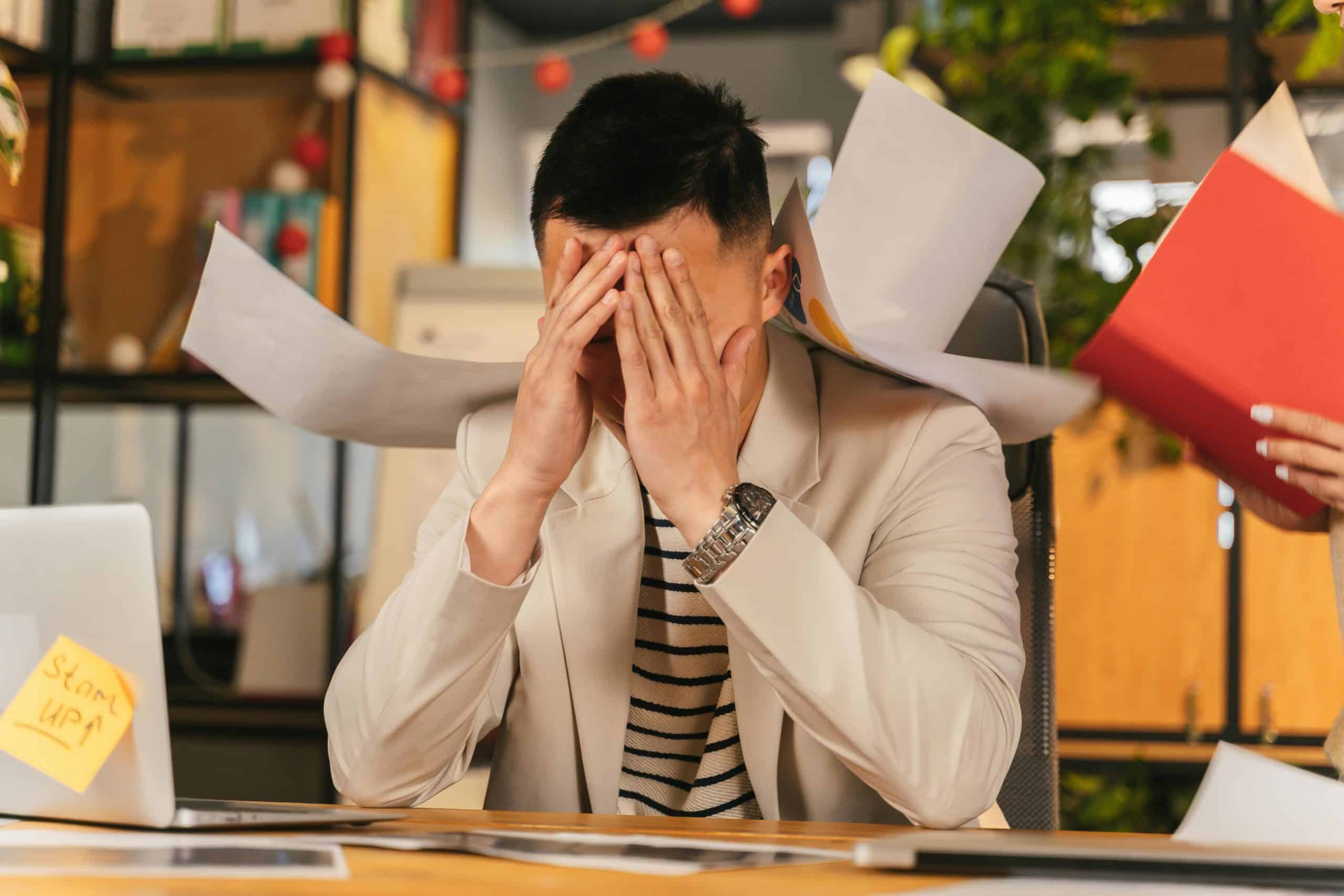
Can I notice that I'm stressed before I'm completely depleted?
Can I bring my nervous system down after an intense day?
Can I sit with myself without immediately reaching for distraction?
Can I create the conditions for better rest?
Can I wake up feeling like my weekend actually restored me?
For me, those questions changed the meaning of relaxation.
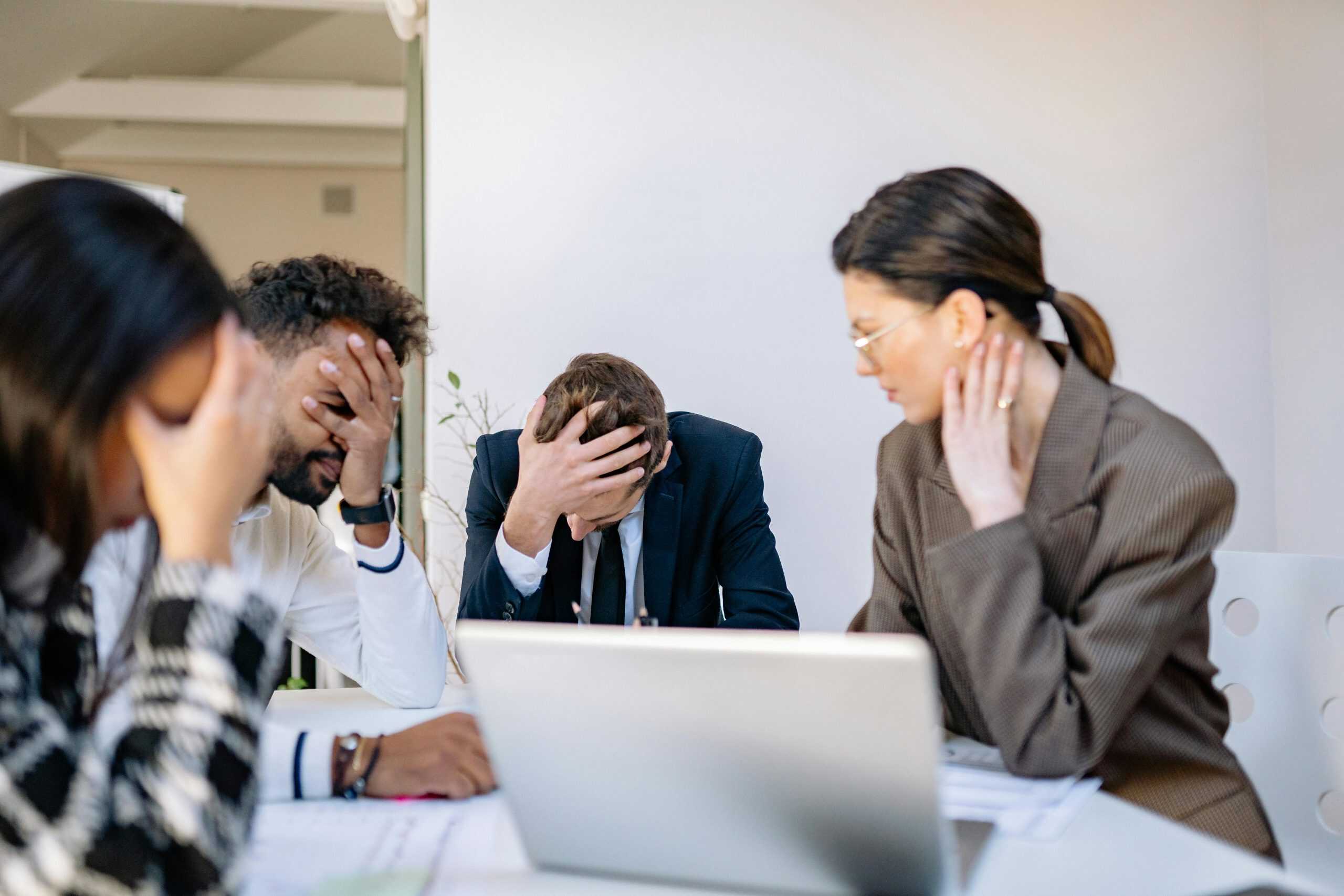
And they're increasingly relevant at work too.
We talk endlessly about productivity.
Focus.
Performance.
Resilience.
Mental clarity.
But sustainable performance requires something on the other side of effort:
recovery.
You cannot spend your entire week with your foot on the accelerator and then be surprised that the engine isn't thrilled about it.
Don't just read about meditation. Experience it.
You can read another twenty articles about mindfulness.
At some point, the more interesting experiment is ten minutes long.
Try it.
Not because you need to become “a person who meditates”.
Try it because your own nervous system can give you information no article can.
This is also why I teach meditation differently from simply telling people to “sit down, close your eyes and breathe”.
I help people learn practical mindfulness and meditation tools they can actually use in real life — after a long busy day, during periods of stress, when sleep becomes difficult, or when their brain simply refuses to stop working.
I work with individuals as well as companies and teams through 1:1 meditation sessions, group sessions, corporate workshops and talks focused on stress management, sleep, mental clarity and sustainable performance.
You don't have to quit drinking.
You don't have to become spiritual.
You don't even have to believe me.
Simply experience the difference for yourself.